Understanding Antibiotics and Viruses
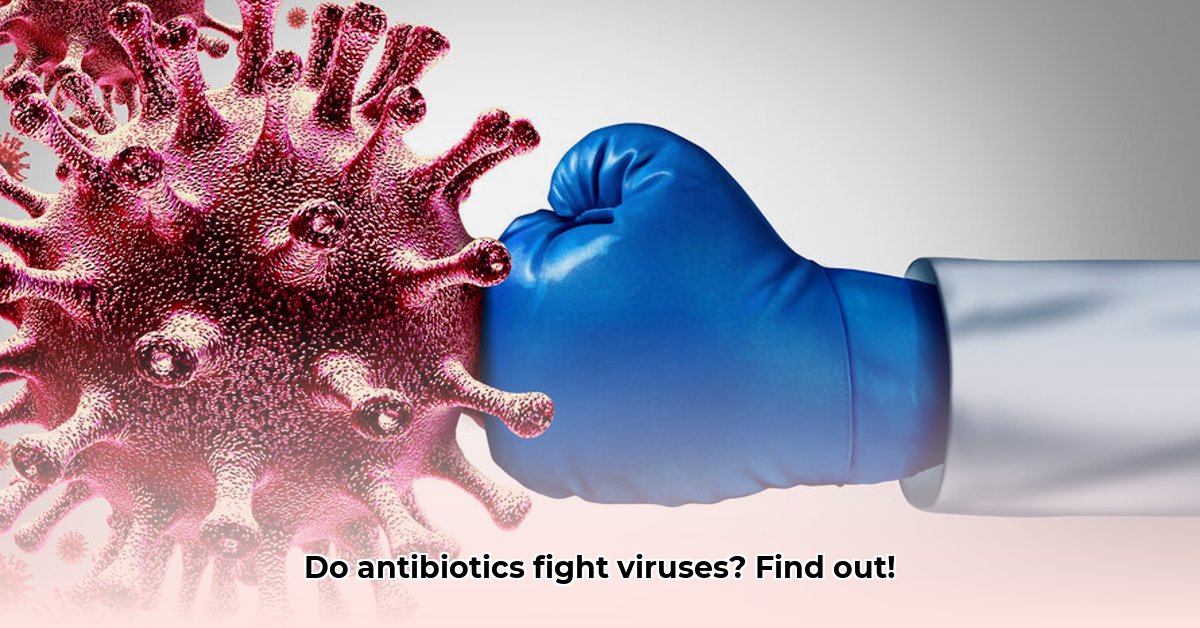
Many South Africans believe antibiotics are a cure-all for any infection, but this isn't true. Antibiotics are powerful medicines, but they only work against bacteria, not viruses. This is a crucial distinction. A common cold, flu, or COVID-19 are all caused by viruses, not bacteria. Taking antibiotics for these won't help you get better faster and can even lead to serious problems.
The Difference Between Bacteria and Viruses
Bacteria are tiny, single-celled organisms. Viruses are even smaller, needing to invade a host cell (like one of your own body cells) to replicate. Antibiotics target specific parts of bacteria, disrupting their growth and reproduction. Viruses, however, hijack our own cells making them difficult for antibiotics to target effectively. This explains why antibiotics are ineffective against viral infections.
The Danger of Antibiotic Resistance
Overusing antibiotics leads to antibiotic resistance – bacteria evolving to survive antibiotic treatment. This global health crisis means infections that were once easily treatable become much harder, sometimes impossible, to cure. Think of it like this: if you frequently use the same pesticide, the bugs eventually become immune to it. The same principle applies to antibiotics and bacteria.
How Antibiotic Resistance Happens
Antibiotics kill off most bacteria, leaving only the resistant ones to multiply and spread. The more antibiotics are used, the more opportunities these resistant bacteria have to thrive. This is why it's so crucial to use antibiotics responsibly.
The Real-World Consequences
Antibiotic resistance makes treating common infections like ear infections, pneumonia, and urinary tract infections far more challenging and increases the risk of serious complications or even death.
When to Use Antibiotics
Antibiotics are only effective against bacterial infections. Your doctor will determine if you need them based on your symptoms and a proper diagnosis, which might include tests. They'll only prescribe antibiotics for bacterial illnesses like strep throat, pneumonia, or certain skin infections.
What to Do When You're Sick
If you're feeling ill, don't self-medicate. Visit a doctor for a proper diagnosis and treatment plan. Remember, sometimes rest, fluids, and letting your immune system do its work is the best approach. Don't assume it’s always bacteria.
Preventing Antibiotic Resistance: A Shared Responsibility
We can all contribute to preventing antibiotic resistance. Here are some concrete steps:
- Only take antibiotics prescribed by a doctor. Never share your antibiotics, even if someone has similar symptoms.
- Complete the entire course of antibiotics as prescribed. Don’t stop early, even if you feel better; stopping early can promote resistance.
- Practice good hygiene: Regular handwashing, covering coughs and sneezes, and avoiding close contact with sick people helps prevent infections from spreading.
- Get vaccinated: Vaccines protect against many viral illnesses thus reducing the need for antibiotics.
Professor Nomusa Mthethwa, Head of Infectious Diseases at Stellenbosch University, emphasises: "Responsible antibiotic use is crucial not only for your health but for the health of the community as well. We need to protect this incredible resource."
Key Takeaways:
- Antibiotics target bacteria, not viruses.
- Overuse of antibiotics fuels antibiotic resistance.
- Doctors should only prescribe antibiotics for bacterial infections.
- Good hygiene and vaccinations are key to preventing infections.
This guide offers actionable steps to combat antibiotic resistance. Let's work together to preserve the effectiveness of these lifesaving medicines.